
The History Behind Arizona’s Most Famous Landmarks and Valleys
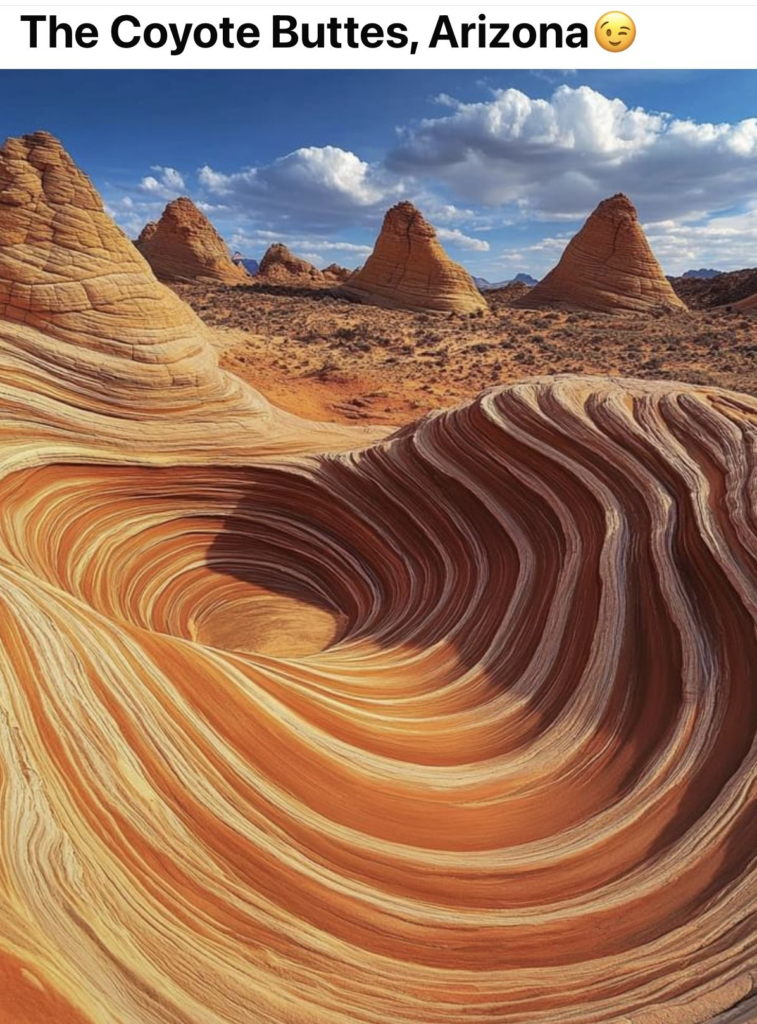
One of the more unusual things about Arizona are the wide deserts, deep valleys, tall rock walls and more. Most famous of Arizona’s landmarks is the Grand Canyon. The Colorado River has, over millions of years, slowly worn through layers of rock to form the canyon. The rocks expose different aspects of the Earth’s history. The canyon was used by the native people long before roads and tourist areas were constructed. The Canyon became a protected national park and is now preserved as a natural and cultural resource area.
Arizona’s Famous Landmarks
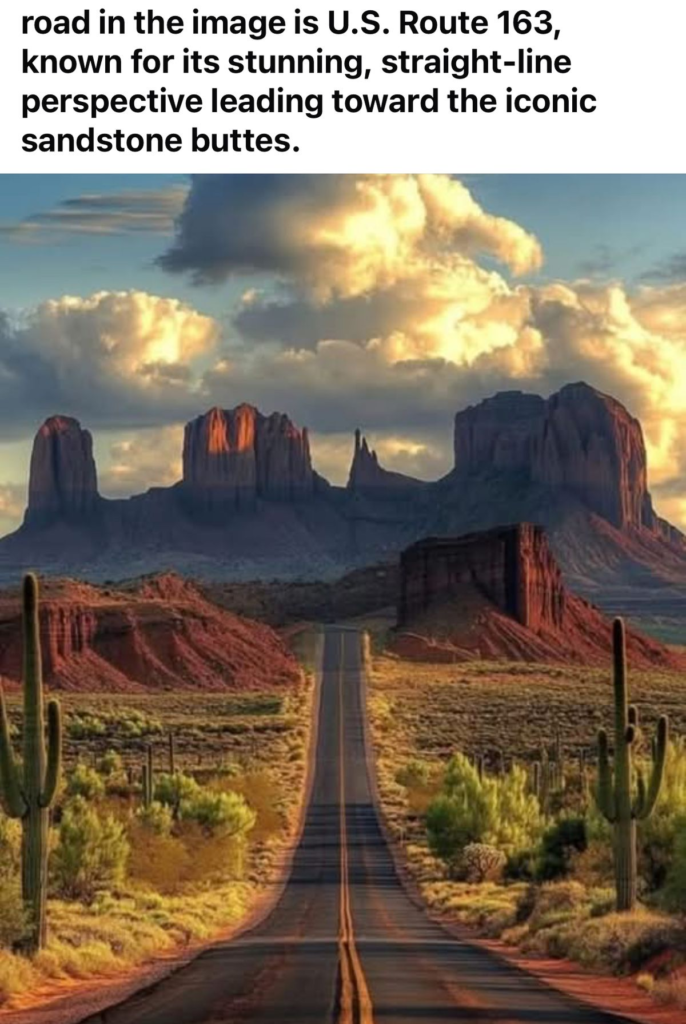
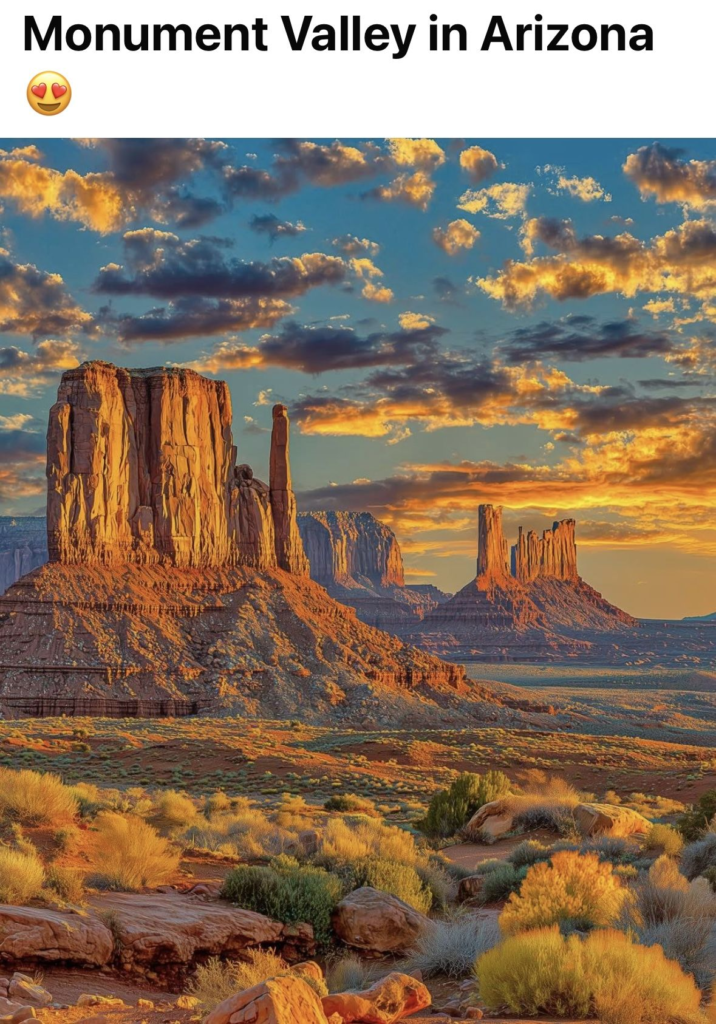
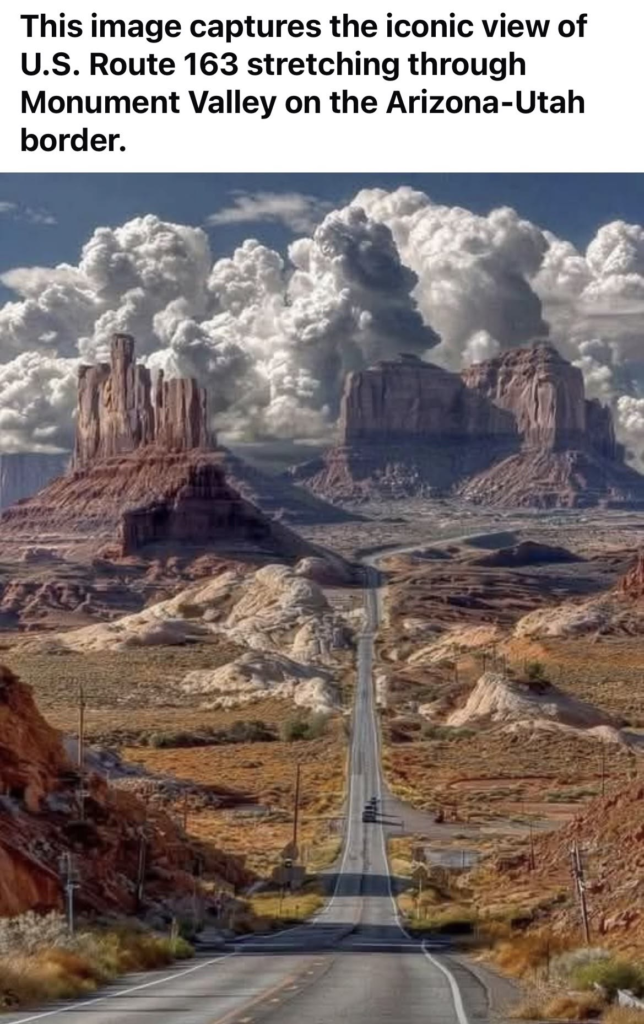
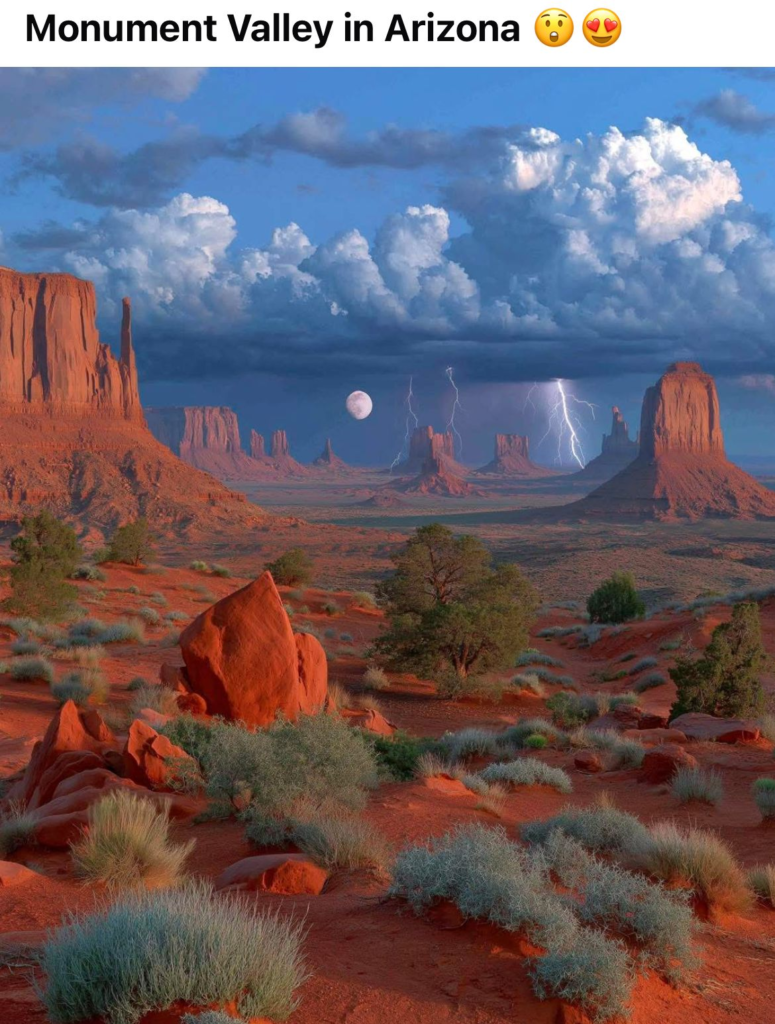
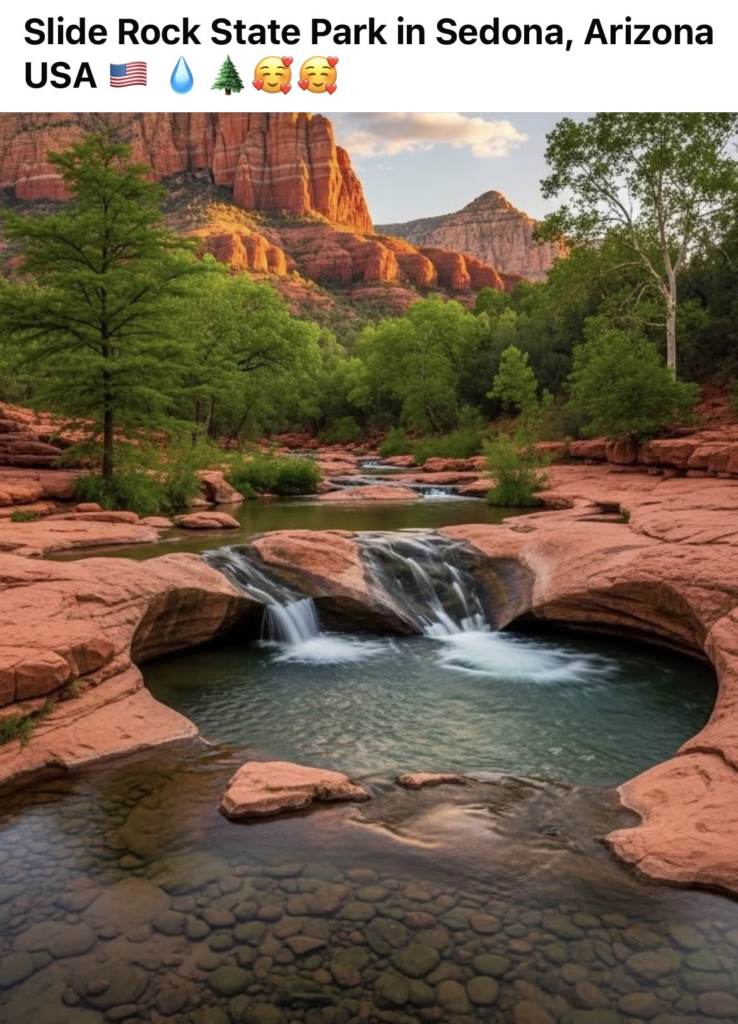
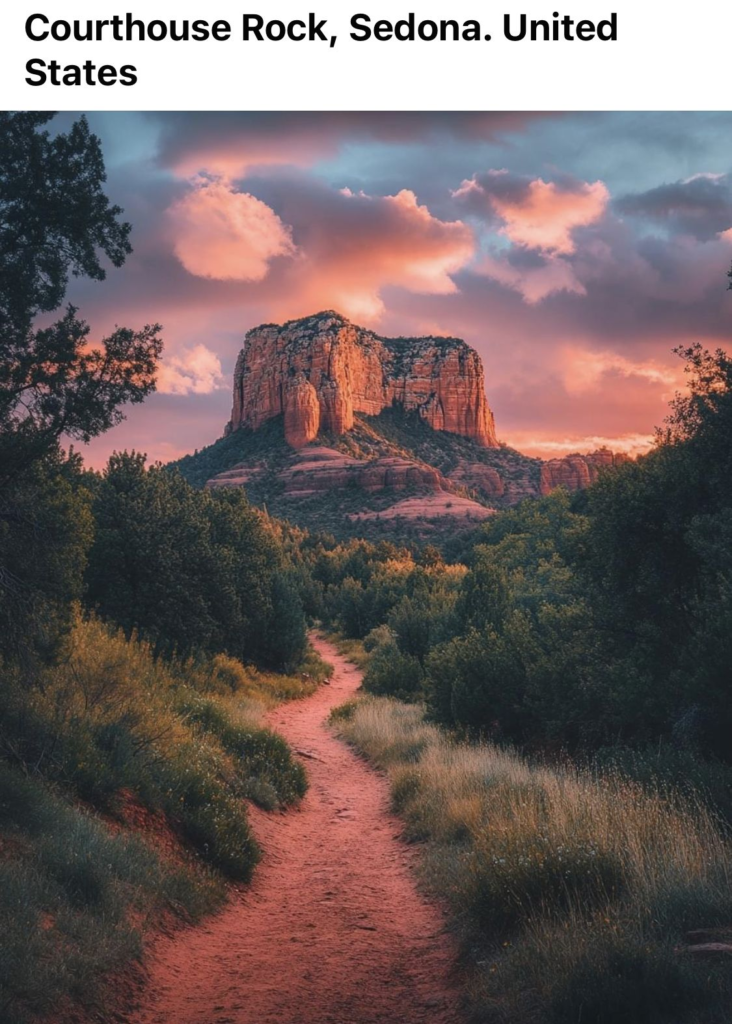
Monument Valley is known for its tall red rock formations and expansive desert territory. Over time, the softer rock was eroded by wind and rain and left behind strong stone towers. The valley is on the Navajo Nation, and is significant to the Navajo people. It’s not just a scenic location. It is also a living cultural land, with a long human history. Also, the red rocks of Sedona, the natural forces that formed it. A long time ago, sand and mud turned into stone. Later Sedona was the birthplace of tourism, art and outdoor travel.
Farm and settlement has a long history in the Verde Valley. The Verde River provided water for plants, animals and people. The local people lived in this area and farmed. The valley was later transformed with ranching, mining, and new towns. The river was still significant because there is not much water in much of Arizona. The Salt River Valley has a close relationship with the development of Phoenix. These canals aided in farming and permanent settlement. Numerous canals were patterned after this one.
#1
#2
#3
#4
#5
#6
#7
#8
#9
As the valley flourished, Phoenix grew with all kinds of homes, businesses, roads and industry. The San Pedro Valley is also significant in the history of Arizona. It was a river in a dry area, providing life for both humans and animals. There were waves of aborigines, soldiers, ranchers and travelers that passed by the valley. The land was linked to trade, agriculture, warfare and habitation. The sites and valleys of Arizona are more than just a sight. They demonstrate the interaction between man and nature in the development of the state.
#10
#11
#12
#13
#14
#15
#16
#17
Towns were built on the river and canyons were created as a result of the rivers. Ancient changes were recorded in the rock layers. Water, food, travel paths and places of residence were provided by Valleys. Today, these locations are still steeped in history. Protecting them helps keep Arizona’s story alive. Their land, their rivers, their rocks and their significance tie together past and present. They bring to our minds the fact that Arizona’s history is inscribed on the land itself. They should be cared for, respected, studied and protected at all times.
#18
#19
#20